

After an accident, most drivers just want a clear answer: what is damaged, what will it take to repair it, and how does the insurance part work? A first body shop visit can feel intimidating if you have never been through collision repair before.
The process is easier when you know what to expect. A professional collision repair shop will document the damage, prepare a repair estimate, explain the next steps, look for hidden issues, coordinate insurance collision repair when needed, and complete quality checks before the vehicle is returned to you.
Here is what to expect at a collision repair shop, from the first conversation to final pickup.
Before Your Body Shop Visit
You do not need to have everything figured out before you arrive, but a little preparation helps. If you are filing an insurance claim, bring your claim number, insurance company information, adjuster contact if you have one, and any photos from the accident. If there was a police report, keep that information available too.
It also helps to mention anything you noticed after the crash: a loose bumper, a door that feels different, a trunk that does not close cleanly, a warning light, or a panel gap that looks off. If you are paying out of pocket instead of using insurance, that is fine as well.
Step 1: Intake and the First Walk-Around
Your visit usually starts with intake. The shop will collect your contact information, vehicle information, insurance details if applicable, and a quick description of the accident. This helps the estimator understand whether the damage came from a front-end collision, rear-end accident, side impact, parking lot hit, or scrape against another object.
Next comes the walk-around. The estimator looks at the damaged areas, takes photos, notes visible dents, paint damage, bumper damage, broken clips, panel gaps, and areas that may need closer inspection. Even if the damage seems minor, a careful first look matters because collision force can travel beyond the point of impact.
Step 2: The Repair Estimate
The repair estimate outlines the visible damage, expected repair operations, parts or materials that may be needed, labor time, paint and refinish work, and other steps tied to restoring the vehicle after the accident.
California’s Bureau of Automotive Repair explains that consumers are entitled to get an estimate before work begins, approve repairs, be told about changes if more problems are found, and receive a final invoice showing repairs performed and parts supplied. The agency also notes that some problems may require a tear down before an accurate estimate can be created.
That is important in collision repair. An estimate based only on the outside of the vehicle may not show the full scope. A bumper cover, liner, trim piece, or damaged panel may need to come off before the shop can see what happened underneath.
Step 3: Insurance Communication and Claim Review
If you are using insurance, the shop may communicate with the insurance company about photos, the estimate, repair plan, and any added damage found later. This is a normal part of insurance collision repair.
Sometimes the insurance company writes an initial estimate from photos, while the shop writes one after an in-person inspection. If the vehicle is disassembled and more damage is found, the shop may prepare a supplement. A supplement is simply an update that documents additional collision-related repairs that were not visible at first.
Step 4: Disassembly and Hidden Damage Review
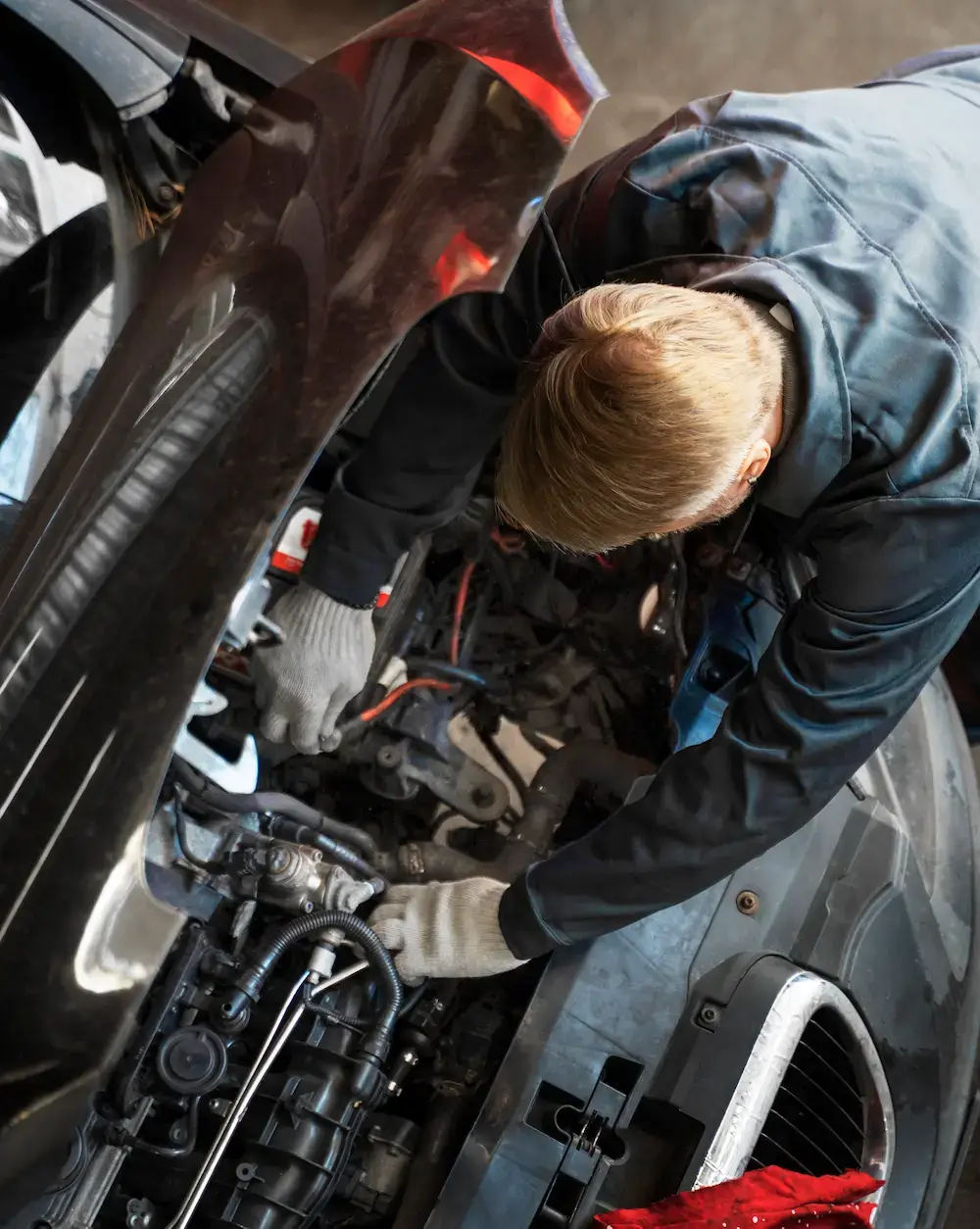
Once repairs are authorized, the vehicle may move into disassembly. This can involve removing damaged or related parts around the impact area, such as a bumper cover, trim, lights, liners, or interior panels.
This step matters because many collision repairs are hidden behind vehicle panels. The California Bureau of Automotive Repair notes that this can make it difficult for consumers to know whether collision work was done correctly after the fact. During disassembly, the repair team may find bent brackets, broken clips, damaged reinforcement areas, misaligned panel edges, or structural concerns that need to be added to the repair plan.
Step 5: The Actual Collision Repair Process
The actual repair depends on the damage. Some vehicles need dent repair, bumper repair, paint repair, or panel replacement. Others may need frame repair, structural repair, body alignment, or more involved post-collision restoration.
A proper collision repair process should focus on appearance and repair accuracy. The vehicle should not just look better from a distance. Panels should fit correctly, body lines should make sense, repaired areas should be refinished carefully, and safety-related areas should be considered when the accident affects them.
Modern vehicles may also include driver assistance features such as forward collision warning, blind spot warning, automatic emergency braking, adaptive cruise control, lane centering assistance, lane keeping assistance, and backup cameras. NHTSA explains that some driver assistance technologies warn drivers of crash risk, while others can take action to help avoid a crash. If the impact affected cameras, sensors, bumpers, mirrors, or mounting areas, ADAS calibration or verification may be part of the repair discussion.
Step 6: Paint, Reassembly, and Quality Checks
After the body repair is complete, the vehicle may move into paint and refinishing. The repaired area has to be prepared, color-matched, refinished, and blended when the paint color or panel location requires it. Good paint repair should look natural next to the surrounding panels, not like an obvious patch.
Once refinishing is complete, the vehicle is reassembled. Trim pieces, lights, liners, panels, emblems, sensors, and related components are returned to their proper places. This stage is where small details can make a big difference.
The final quality check should review panel gaps, paint finish, bumper fit, door operation, trunk or liftgate operation, warning lights, and the overall appearance of the repair. If a system was affected by the accident or repair, the shop should also confirm whether calibration, scanning, or verification is needed before delivery.
Step 7: Final Walk-Through and Pickup
At pickup, the shop should walk you through the completed repairs and final invoice. If insurance was involved, this may also include deductible details, supplement updates, and any remaining paperwork.
Look at the repaired area in good lighting if possible. Check the paint match, panel gaps, and the way doors, hood, trunk, or liftgate open and close if those areas were involved. Keep your repair records after pickup so you have documentation for future insurance questions, resale, or your own peace of mind.
Insurance Claim or Customer-Pay Repair?
Not every accident repair goes through insurance. Some drivers pay out of pocket because the damage is smaller, the deductible is high, or they want a repair estimate before deciding whether to open a claim.
How to Make the Process Easier
The best way to make your body shop visit smoother is to ask direct questions early. Ask what damage is visible, whether hidden damage is possible, when the estimate may change, and how updates will be shared with you during the repair.
You should also be clear about your goal. Some drivers want help moving through an insurance claim. Others want a customer-pay estimate before making a decision. A good collision repair shop should explain the next step in plain language either way.
Schedule a Collision Repair Assessment With Hyperion
A body shop visit does not have to be stressful. Once you understand the collision repair process, each step has a purpose: intake, damage inspection, repair estimate, insurance communication, disassembly, repair, refinishing, quality checks, and final pickup.
Hyperion Collision Center is a collision repair shop in Los Angeles. The team helps drivers with insurance claims, customer-pay collision repairs, dent repair, bumper repair, paint repair, frame repair, structural repair, and post-collision restoration. If you were recently in an accident, schedule a collision repair assessment and start with a clear estimate.