
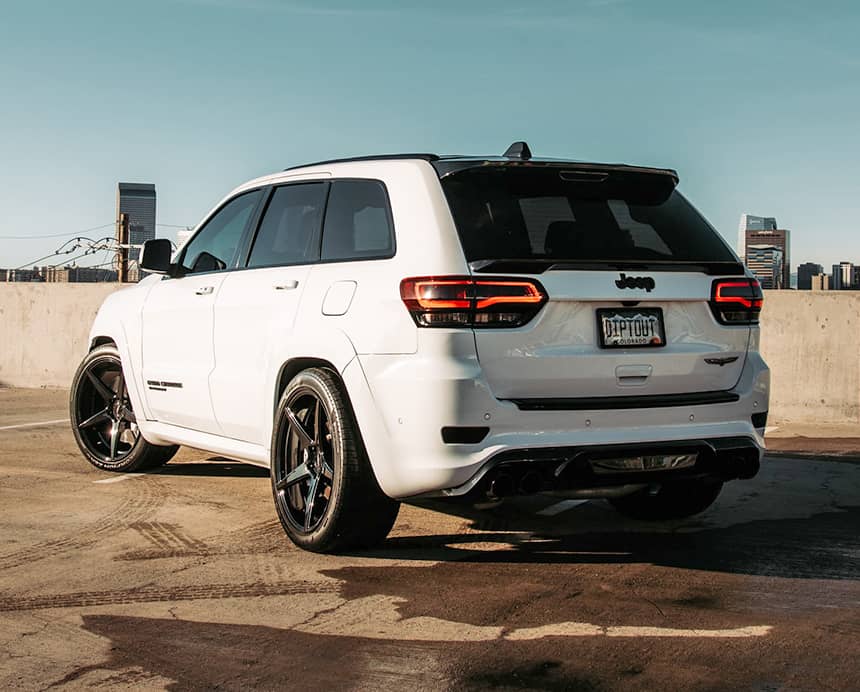
A Jeep is built for drivers who expect strength, capability, and confidence. That is why a crash can feel especially frustrating. Even when the vehicle still looks tough from the outside, an accident can leave behind damage that affects body alignment, structural points, safety systems, and the way panels fit together.
That is why proper Jeep collision repair matters. A quick cosmetic fix may make a dent or scrape less obvious, but the real goal after a Jeep accident is to understand the full impact, repair the visible damage, and check the areas that are easy to miss. For Los Angeles Jeep owners, the right repair process can make the difference between a vehicle that simply looks better and a vehicle that has been thoughtfully restored after collision damage.
Why Proper Jeep Collision Repair Matters
After an accident, it is natural to focus on the obvious damage first. A dented fender, cracked bumper cover, scraped door, damaged tailgate, or chipped paint is easy to see. The problem is that collision damage rarely stops exactly where the eye can see it.
A front-end impact can push energy into bumper reinforcement areas, brackets, hood alignment points, grille openings, and nearby panels. A side impact can affect door gaps, rocker areas, quarter panels, and the way adjacent panels sit. A rear impact can create damage around the liftgate, bumper area, rear body panel, and mounting points. With Jeep body repair, the inspection matters just as much as the visible repair.
Proper collision repair helps restore fit, finish, and safety-related structure. It also helps prevent small problems from becoming long-term frustrations, such as uneven panel gaps, paint that does not match, doors or tailgates that do not close cleanly, or sensors that do not perform as expected after a repair.
Jeep SUVs Are Not All Built the Same
One reason Jeep collision repair should not be treated like a one-size-fits-all job is that Jeep owners drive many different models, body styles, and vehicle sizes. Some are rugged SUVs with removable or trail-focused body features. Others are larger family SUVs or crossover-style vehicles. The repair plan should match the vehicle, the impact location, and the damage found during inspection.
This is especially important after SUV collision repair because taller vehicles can show damage differently than lower passenger cars. A bumper scrape may hide damaged brackets. A low-speed parking lot hit may still disturb panel alignment. An off-center impact can travel through structural areas in a way that is not obvious until the vehicle is disassembled and measured.
For Jeep structural repair, the goal is not to guess. The goal is to inspect the vehicle carefully, identify the affected areas, and repair the damage according to the needs of that specific Jeep and that specific accident.
Hidden Damage Is Common After a Jeep Accident
Many Jeep owners bring in a vehicle because of one obvious issue: a cracked bumper, dented door, bent hood edge, scraped paint, or damaged rear corner. During a proper inspection, the collision repair team may find additional damage behind the outer panels.
Common hidden collision damage can include bent brackets, damaged clips, shifted reinforcement areas, misaligned mounting points, distorted panel edges, cracked paint around stress points, or damage behind a bumper cover. None of this means the vehicle is unsafe by default. It simply means the repair estimate should be based on a complete inspection, not a quick glance at the outside.
This is also why insurance supplements are common in collision repair. An initial estimate may cover the visible damage, then additional repairs may be documented once the vehicle is opened up and the hidden damage is clear. A good shop will explain that process before work begins, so the customer understands why the repair plan can change after teardown.
ADAS Systems Need Attention After Collision Damage
Modern Jeep vehicles may include driver assistance features such as forward collision warning, lane departure warning, automatic emergency braking, blind spot warning, lane keeping assistance, adaptive cruise control, rear cross traffic warning, backup camera systems, and other safety-related technology. NHTSA explains that some driver assistance technologies warn drivers of crash risk, while others can take action to help avoid or reduce a crash. NHTSA also describes technologies such as automatic emergency braking, blind spot warning, adaptive cruise control, lane centering assistance, and lane keeping assistance as part of today’s driver assistance landscape.
After a Jeep accident, damage near bumpers, mirrors, quarter panels, grilles, cameras, or sensor mounting areas may affect those systems. Even if the exterior repair looks clean, an affected camera angle or mounting point can create a problem if it is not checked. That is why ADAS calibration or verification should be considered whenever the damaged area involves driver assistance components or the body areas that support them.
This is not about adding unnecessary work. It is about making sure the repair plan considers the whole vehicle, not just the dent. If your Jeep has safety alerts, camera concerns, blind spot warnings, or driver assistance features that seem different after an accident, mention that during the estimate.
The Jeep Body Repair Process Should Be Thorough
A strong Jeep accident repair process usually starts with documentation. Photos of the damage, the impact area, the vehicle position after the crash, and any warning messages can help with the estimate and with an insurance claim. From there, the shop can inspect the visible damage, review panel fit, check related body areas, and create a repair plan.
For many repairs, the next step is disassembly. This is where hidden damage becomes easier to see. A bumper cover, trim piece, liner, or damaged panel may need to be removed so the repair team can inspect what happened underneath. If more damage is found, the shop can update the repair plan and communicate with the insurer or the customer before moving forward.
The repair itself may involve dent repair, bumper repair, panel repair or replacement, paint repair, structural repair, refinishing, reassembly, and final quality checks. When needed, the process may also include ADAS calibration or verification. The final goal is a Jeep that looks right, fits right, and has been handled with the level of care the damage requires.
Paint Matching and Finish Quality Matter
Jeep owners often notice the small details. A bumper that sits slightly off, a door gap that looks uneven, a paint blend that stands out in sunlight, or overspray near trim can make a repaired vehicle feel unfinished. That is why Jeep body repair should include careful refinishing, color matching, and a final review of panel fit and finish.
Paint repair is not just about covering the damaged area. The surface has to be prepared correctly, the color has to be matched carefully, and the repaired area may need blending depending on the panel and paint color. A quality refinish helps the repair look natural, especially on large panels, metallic finishes, or areas that catch light from different angles.
Before and after photos can also be helpful. They document the damage, show the repair progress, and give customers a clearer view of the work completed. For insurance repairs, photos may also support communication between the shop and the insurance company.
Insurance Claims and Customer-Pay Jeep Repairs
Many Jeep accident repair jobs go through insurance, but not all of them do. Some customers prefer to pay out of pocket when the damage is smaller, when the deductible is high, or when they want an estimate before deciding whether to open a claim. Hyperion Collision Center welcomes customers whether they are filing an insurance claim or paying out of pocket.
If you use insurance, the process usually starts with a claim number, photos, and an estimate. If hidden damage is discovered later, the repair plan may need a supplement. If you are paying out of pocket, the shop can still inspect the damage, explain the repair options, and provide an estimate before work begins.
California’s Bureau of Automotive Repair explains that consumers are entitled to get an estimate first, approve repairs before work begins, be told about additional problems found after the work starts, authorize additional repairs, and receive a final invoice showing the repairs performed and parts supplied. [2]
Questions to Ask Before Choosing a Jeep Collision Repair Shop
Not every shop approaches collision damage the same way. Before choosing where to take your Jeep, ask practical questions that help you understand the repair process.
- Will the shop inspect for hidden damage behind the visible impact area?
- Can they help with insurance communication if you are filing a claim?
- Do they also accept customer-pay repairs if you are not using insurance?
- Will they review panel alignment, structural areas, paint finish, and safety-related systems?
- Can they explain whether ADAS calibration or verification is needed?
- Will they walk you through supplements if additional damage is found?
The right collision repair shop should explain the process in plain language. You should understand what is being repaired, why it matters, and what happens if additional damage is discovered after disassembly.
When Should You Schedule Jeep Accident Repair?
You should schedule a collision repair inspection soon after the accident, even if the Jeep still drives and the damage looks minor. This is especially important if the bumper, hood, fender, door, rocker area, quarter panel, tailgate, grille, or paint was damaged. It is also important if the vehicle has warning alerts, camera issues, unusual panel gaps, or damage near areas where sensors may be mounted.
Even a minor-looking Jeep accident can deserve a closer look. Getting an inspection gives you a clearer picture of the damage before you decide whether to file an insurance claim, pay out of pocket, or wait until repairs become more difficult to document.
Start Your Jeep Collision Repair With Hyperion Collision Center
After a Jeep accident, proper collision repair is about more than making the damage disappear. It is about checking what happened behind the panels, restoring the vehicle’s body and structure, protecting the finish, and making sure safety-related systems are considered when the repair requires it.
Hyperion Collision Center is a collision repair shop in Los Angeles that helps Jeep owners with insurance claims and customer-pay accident repairs. Whether your Jeep needs dent repair, bumper repair, paint repair, SUV collision repair, or Jeep structural repair, the first step is a careful inspection and a clear estimate.
Request an insurance collision estimate today, or contact Hyperion Collision Center to schedule a Jeep collision repair inspection.